
Car Battery Dying In Cold Weather? Signs You Need A New One
Freezing temperatures slow down internal chemical reactions, reducing a battery’s cranking power by up to 50% at -18°C while cold engine oil requires twice as much energy to turn over.
If your car cranks slowly, headlights dim at idle, or the battery is over 3 years old, cold weather is accelerating an inevitable failure that requires a load test or replacement.
Here’s what you need to know:
- The Science: Why Cold Weather Destroys Battery Performance
- Clear Warning Signs Your Battery Needs Immediate Replacement
- Can You Save a Cold-Dead Battery or Should You Replace It?
- How to Prevent Winter Battery Surprises in Stayner & Surrounding Areas
Call us today or visit our Automotive Service Hub to book your winter battery checkup!
Key Takeaways
- Cold Cuts Battery Power in Half: At -18°C, a car battery loses roughly 50% of its starting strength while cold motor oil requires twice as much power to turn over.
- Listen for the Slow Crank: A sluggish engine turn ("rrb-rrb-rrb") or rapid clicking when turning the key is the #1 warning sign of impending battery failure.
- Jumpstarts Aren't a Permanent Fix: If your battery is over 3 years old or has frozen internally, jumpstarting it is a temporary bandage that can damage your alternator.
- Get a Load Test Before Deep Winter: A quick voltage test isn't enough; a full conductance load test measures true Cold Cranking Amps (CCA) to ensure you won't get stranded.
1. The Science: Why Cold Weather Destroys Battery Performance
There is nothing quite like the sink-in-your-stomach feeling of turning the key on a freezing Simcoe County morning, only to hear a weak groan or complete silence. While it seems like cold weather suddenly “kills” car batteries overnight, winter temperatures are actually exposing damage that began months earlier.
Understanding why your car battery is dying in cold weather comes down to three physical factors:
Slowing Down Chemical Reactions: Lead-acid batteries rely on liquid electrolyte solutions to store and release electrical energy. As temperatures plunge below freezing, those chemical reactions slow down drastically. According to battery research cited by CAA South Central Ontario, a fully charged battery loses up to 30% of its starting power at 0°C and up to 50% once temperatures hit -18°C.
Thickened Engine Oil: While your battery’s available power drops in half, your engine’s power demand doubles. Cold weather thickens engine oil, creating heavy friction inside the block. Your starter motor requires vastly more cold cranking amps (CCA) to churn through thick oil than it does on a warm summer morning.
Heavy Winter Electrical Load: Ontario winters put massive demands on your vehicle’s electrical system. From the moment you turn the key, your battery is simultaneously powering cabin heaters, defrosters, heated seats, heated steering wheels, windshield wipers, and headlights.
Summer Heat Damage Revealed: High summer temperatures evaporate internal battery fluids and corrode internal grid structures. The battery survives through the fall on reduced capacity, but the first hard frost of winter delivers the final blow.
2. Clear Warning Signs Your Battery Needs Immediate Replacement
Before a weak battery leaves you stranded in a parking lot along Highway 26, your vehicle usually provides subtle warning signs. Recognizing these signs a car battery is dying gives you time to schedule a quick replacement.
Sluggish Engine Crank
When you turn the key or press the push-to-start button, the engine turns over sluggishly with a slow, heavy “rrb-rrb-rrb” sound before finally catching. This means your battery is struggling to output the amperage required by the starter motor.
Rapid Clicking Noise on Ignition
If you turn the key and hear a fast, continuous clicking noise without the engine turning over, your battery has enough voltage to trip the starter relay, but lacks the amperage required to rotate the flywheel.
Dim Headlights and Electrical Glitches
Pay attention to your dashboard and lighting when idling. If your headlights look dim at a stop sign but brighten when you rev the engine, your alternator is working overtime to compensate for a weak battery. Slow power windows or flickering cabin lights are additional red flags.
Physical Corrosion or a Swollen Case
Pop the hood and visually inspect the battery terminals. A heavy buildup of powdery white or teal corrosion around the posts disrupts electrical conductivity. Furthermore, if the battery case appears bloated, swollen, or smells like sulfur (rotten eggs), internal freezing or overcharging has occurred, and it must be replaced immediately.
Age Milestone (3 to 5 Years)
In Simcoe County’s climate, the average lifespan of a standard flooded lead-acid automotive battery is 3 to 5 years. If your battery is entering its fourth winter, it is living on borrowed time regardless of how well it seems to start today.
3. Can You Save a Cold-Dead Battery or Should You Replace It?
When faced with cold weather starting problems, many drivers jumpstart their vehicle and assume the problem is solved once the engine runs for twenty minutes. However, a jumpstart only addresses the symptom, not the root cause.
| Scenario | Can It Be Saved? | What You Should Do |
|---|---|---|
| Left Lights On Overnight | Yes (Usually) | Jumpstart the vehicle and drive for 30+ minutes, or hook it up to a smart trickle charger to restore full capacity. |
| Old Battery (3+ Years) | No | Jumpstart to get to a local shop. The internal plates have degraded and can no longer hold a deep charge. |
| Frozen Battery Case | NO — DO NOT JUMPSTART | Danger: Jumpstarting a battery with frozen liquid inside can crack the casing or cause an explosion. Thaw it indoors first and replace it. |
Repeatedly jumpstarting a degraded battery forces your alternator to run at maximum output continuously to keep the vehicle running. Over time, this excessive strain can overheat and burn out your alternator, turning a simple battery replacement into an expensive dual repair.
Reviewing official winter vehicle guidance from Transport Canada highlights preventative maintenance as the single most effective way to avoid winter breakdowns.
4. How to Prevent Winter Battery Surprises in Stayner & Surrounding Areas
A little seasonal preparation prevents winter starting failures. Incorporate these habits into your cold-weather vehicle routine:
Schedule a Professional Load Test: A standard handheld multimeter only measures static voltage, not a battery’s capability to deliver high amperage under load. A true conductance load test evaluates internal resistance and cold-cranking capacity under simulated engine-start conditions.
Keep Connections Clean and Tight: Corrosion and road salt buildup act as insulators, blocking power transfer. Keep terminal connections clean, tight, and protected with a thin layer of dielectric grease or terminal protection spray.
Avoid Frequent Short Trips: Driving five minutes to the local store doesn’t give your alternator enough time to replenish the heavy energy drain caused by starting a cold engine. Take a longer 20- to 30-minute drive on the highway once a week to allow the charging system to fully top up the battery.
Combine Seasonal Maintenance: When you book your vehicle in to put your winter tires on, ask your mechanic to perform a battery and charging system check at the same time.
Get Your Battery Tested in Stayner Today
Don’t wait for the next severe freeze to find out your battery can’t handle an Ontario winter. Avoid the hassle and danger of getting stranded in freezing weather by letting a professional test your battery before trouble strikes.
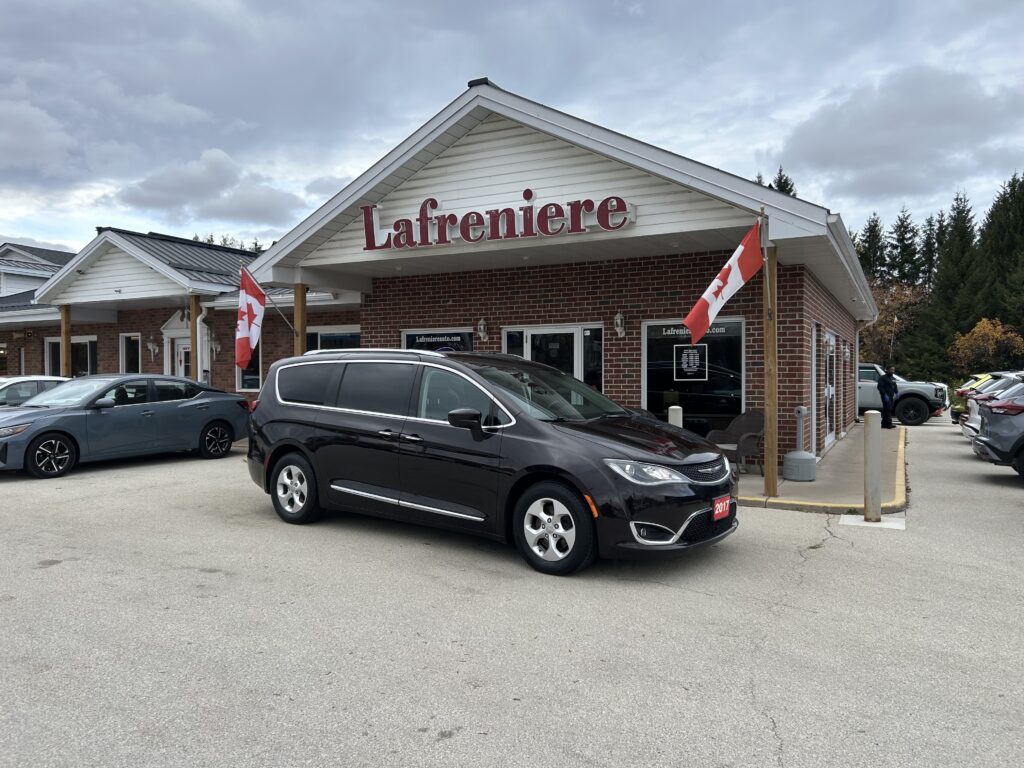
At Lafreniere Auto Sales & Service, our family-owned business has been keeping drivers safe across Stayner, Collingwood, Wasaga Beach, and Clearview Township since 1964. With 62 years of trusted mechanical experience, our licensed technicians can quickly perform a comprehensive battery load test, inspect your charging system, and install a top-rated, high-CCA replacement battery built for harsh Canadian winters.
Address: 7475 Highway 26, Stayner, ON
Services: Professional Battery Testing, Replacement, Alternator Repair, and Full Auto Service
Call us today or visit our Automotive Service Department to book your winter battery checkup!
Related Local Driving Resources
Prepare your vehicle’s drivetrain: AWD vs 4WD – Which is Better for Ontario Winters?
Seasonal tire changeover advice: When Should You Put Winter Tires On in Simcoe County?
Why local motorists trust our team: Finding the Best Used Cars in Stayner: Why Local Drivers Trust Lafreniere Auto