
Top 5 Mistakes People Make When Trading In Their Car (And How to Avoid Them)
When you decide to trade in your vehicle, you aren’t just selling a car – you’re managing a significant financial asset. For most people, a trade-in represents the largest down payment they will ever make, yet it’s often the part of the deal handled with the least preparation.
Leaving your appraisal to chance or gut feeling can cost you thousands of dollars in lost value and tax incentives. To ensure you walk away with the best possible deal on your next upgrade, you need to treat the trade-in process with the same level of research and strategy as the purchase itself.
Here are the top 5 mistakes people make when trading in their car and exactly how you can avoid them.
1. Not Researching Trade-In Value Beforehand
2. Skipping Cleanup and Minor Repairs
3. Negotiating Trade and Purchase Separately
4. Accepting the First Offer Without Validation
5. Not Having Ownership Documents Ready
At Lafreniere Auto Sales & Service, you should get the most for your hard-earned money. Come visit us today to discuss your trade-in and used car options.
Key Takeaways
Informed Positioning: Use market data to set a realistic price floor.
Curb Appeal: Small investments in cleanliness yield high returns in appraisal value.
Tax Strategy: Leverage the “Trade-In Tax Credit” to lower your overall purchase price.
Documentation: Come prepared with proof of maintenance to justify a premium price.
1. Not Researching Trade-In Value Beforehand
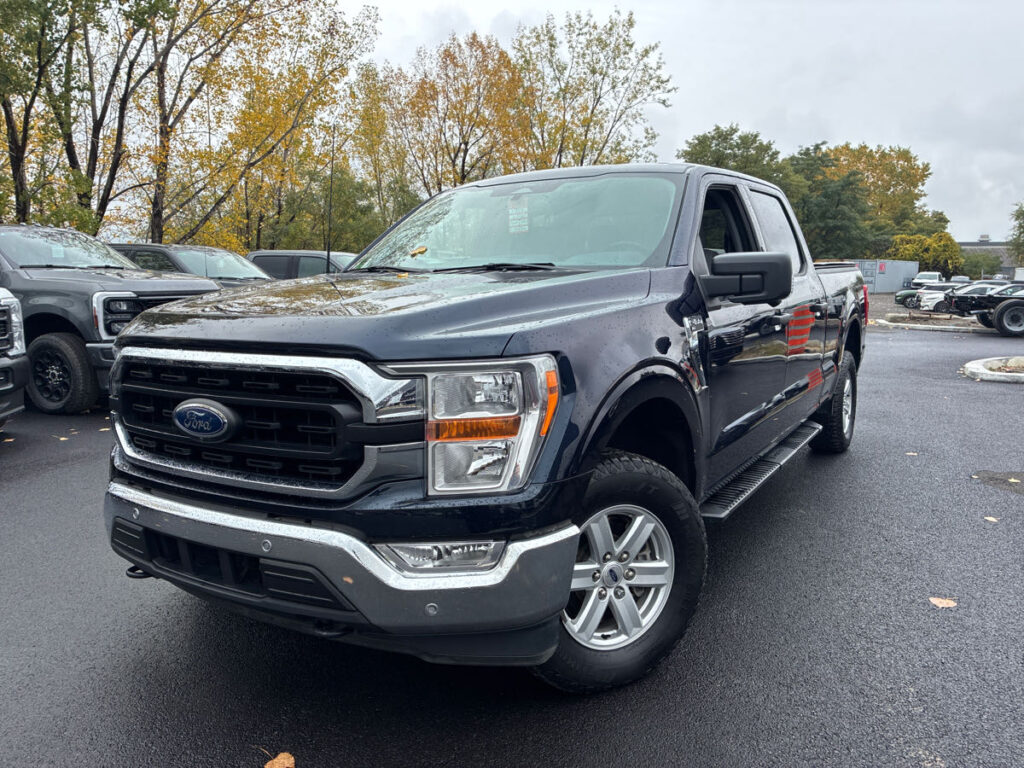
Walking into a dealership without knowing your car’s worth is like going to a job interview without knowing the salary range. You lose all your leverage. Dealerships use real-time auction data and market trends to value cars; you should have access to that same information.
Research “Wholesale” vs. “Retail” value. You won’t get the price a dealer sells it for (retail), but you should aim for the high end of the wholesale range. Check multiple sources like the Canadian Black Book or the Kelly Blue Book.
The Practical Tip: Print out or save screenshots of your vehicle’s valuation based on its specific trim level and mileage. Having this physical “proof” makes it much harder for an appraiser to offer a lower number without a specific mechanical reason.
2. Skipping Cleanup and Minor Repairs
An appraiser looks at a dirty car and sees reconditioning costs. If they have to spend $300 on a professional detail and $100 on a paint touch-up kit, they will deduct those costs—and likely a bit more for the hassle—from your offer.
You don’t need a full mechanical overhaul, but curb appeal is real. A clean engine bay and a fresh-smelling interior suggest the car was loved, not just used. Address anything that triggers a warning light on the dashboard, as these are immediate red flags for inspectors.
The Practical Tip: Invest in a high-quality car wash and interior vacuum. If you have small scratches, use a clay bar or a DIY polish. It can easily add $500 or more to the final appraisal.
3. Negotiating Trade and Purchase Separately
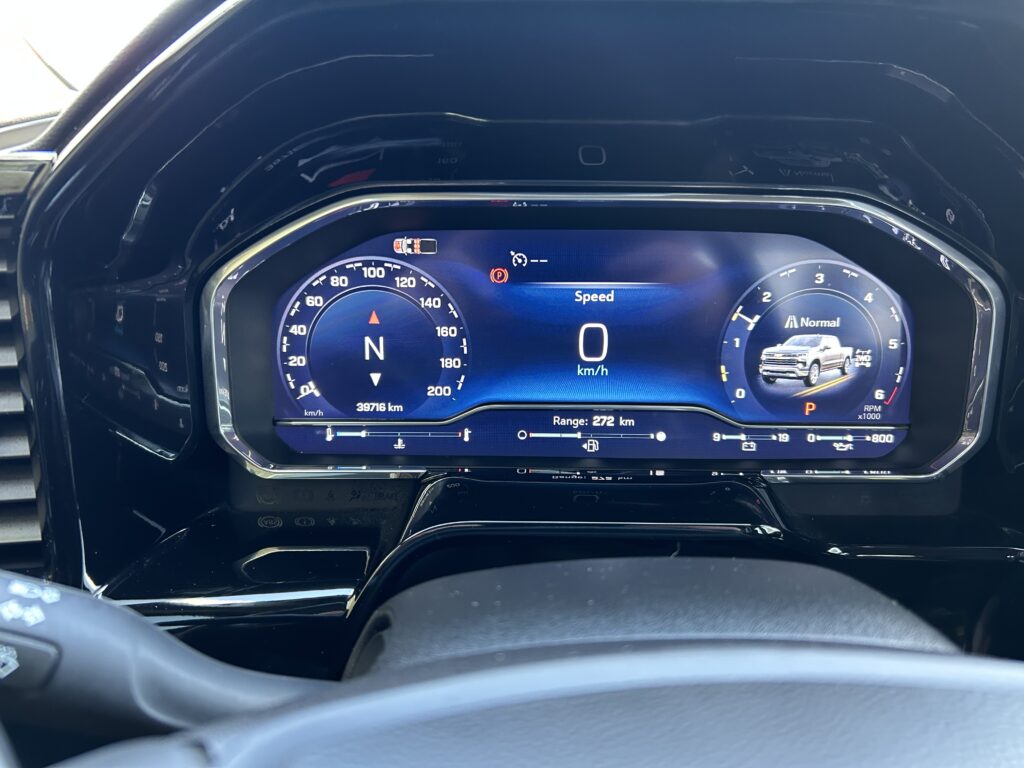
Many buyers make the mistake of telling the dealer they have a trade-in right away. This allows the dealer to shuffle the numbers – giving you a great price on the new car while lowballing the trade, or vice versa.
The most effective way to see the true value of the deal is to negotiate the price of the new vehicle first as a clean deal. Once you have a firm price on the new car, introduce the trade-in.
The Practical Tip: Focus on the Difference Figure. This is the amount you pay after the trade value is subtracted. Remember, in Ontario, you only pay 13% HST on the difference. If your trade is worth $10,000, you are effectively saving an additional $1,300 in taxes.
4. Accepting the First Offer Without Validation
The first offer is often a starting point. If you take the first number provided, you might be leaving money on the table that was reserved for negotiation.
Vehicle values can fluctuate based on the dealer’s current inventory. If a dealer already has three of your exact model on the lot, they will offer you less. If they have none, they may pay a premium.
The Practical Tip: Get at least two appraisals. If one dealer is lower, show them the higher offer from the competitor. Many dealers will match or beat a written offer just to keep the inventory and the sale.
5. Not Having Ownership Documents Ready
Disorganization creates friction, and friction kills deals. If you arrive without your Green Slip (Ownership) or your service records, the dealer cannot legally take possession of the car that day.
Beyond the ownership papers, bring a Service History folder. A car with a documented history of oil changes and scheduled maintenance is worth significantly more to a dealer because they can market it as a Certified Pre-Owned vehicle with confidence.
The Practical Tip: Gather your vehicle permit, both sets of keys (modern fobs can cost $300+ to replace), and the owner’s manual. If you have a loan on the car, bring a Payoff Statement from your bank so the dealer knows exactly how much is left to clear the title.

Ready to see what your car is worth?
Don’t leave your trade-in value to chance or settle for a generic online estimate that doesn’t account for your vehicle’s unique history. Whether you are ready to upgrade today or are simply exploring your options for later this year, getting a professional, transparent appraisal is the most important step in the process.
Get Your Professional Trade-In Estimate Here
Stop by our Stayner location on Highway 26 for a quick, comprehensive walk-around. Our team will evaluate your car’s mechanical condition, features, and maintenance records to ensure you get every dollar of value you deserve.
Let’s make your next upgrade the easiest one yet.
SEARCH Our Used Car Inventory
More Great reviews from our customers...
